

Preaching that speaks honestly about faith and harm.
Rooted in lived experience, my preaching asks what our theology has produced in the lives of real people — and what we may need to change.
Not all preaching is neutral.
Not all theology is harmless.
For many LGBTQ+ people, church has been the place where they were taught to distrust themselves, fear God or believe that love came with conditions. I know that because it happened to me.
When I preach, I am not interested in protecting comfortable assumptions. I want to speak honestly about what happens when faith is used to control, exclude or silence people — and what might become possible when we choose a different way.
This work is personal.
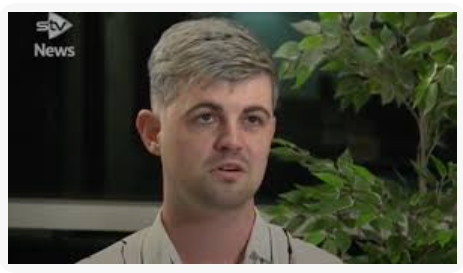
I am a survivor of conversion therapy and harmful religious practices that tried to silence and reshape who I am.
So, when I speak about harmful theology, I am not discussing an abstract idea. I know what happens when words spoken in the name of God teach someone to fear themselves. I also know how difficult it can be to find your way back to faith afterwards.
My preaching comes from that place — from the collision between faith and harm, but also from the possibility that what has been damaged can be questioned, reclaimed and understood differently.
What To Expect
I preach openly and directly, drawing on scripture, lived experience and the questions many churches find difficult to address.
I take scripture seriously enough to wrestle with it. I am willing to name the ways it has been interpreted to exclude, control or silence people, and to ask what those interpretations have cost.
My purpose is not to shame a congregation or make people uncomfortable for the sake of it. It is to encourage responsibility. What have we inherited? What are we still repeating? Who has been affected? What might need to change?
I do not offer easy answers. I offer honest reflection and an invitation to look again — at our theology, our communities and the kind of faith we are helping to create.
Themes I Regularly Explore.
-
Religious Trauma and its lasting impact.
LGBTQ+ inclusion and the legacy of exclusion
-
Queering scripture and reclaiming sacred texts
Power, control, and accountability in faith spaces
-
Healing, belonging, and spiritual reconstruction
Reclaiming spirituality on your own personal pathway
A note for churches and organisations
I will approach your community with care, respect and an awareness that people may be arriving from very different places.
In return, I need the freedom to speak honestly about religious harm and the experiences of those who have lived through it. I will not minimise those experiences simply to avoid discomfort.
My preaching will be a good fit for communities that are willing to listen, examine what they believe and remain open to where that conversation may lead.
Where that willingness exists, I would be glad to talk with you about what your community needs and what I might offer.
A final thought
Good preaching does more than reassure us.
Sometimes it asks us to look honestly at what our faith has produced — and whether we are willing to change it.